
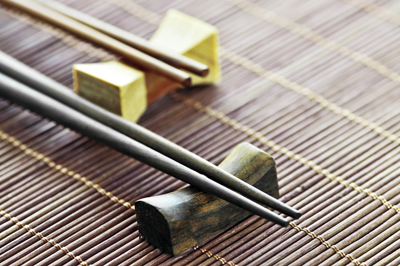
For many people, chopsticks are simply “how you eat Asian food.” Yet this everyday utensil carries more than 4,000 years of history — shaped by necessity, philosophy, and cultural identity across China, Japan, Korea, Vietnam, and beyond.
Learning how chopsticks evolved — and why each culture uses them differently — reveals how history still shapes behavior today. It’s also a reminder: Asia is not one culture, and assumptions can quietly erode trust.
The Cultural Story Behind Chopsticks: More Than a Dining Tool
Most people see chopsticks as simple utensils. Yet their origins are tied to shifting resources, changing cooking methods, and evolving philosophies about what meals should look and feel like. Learning how chopsticks emerged and spread across Asia is not just a history lesson — it’s a way to understand how culture shapes everyday behavior, even centuries later.
From Fire and Fuel to the Dining Table: How Chopsticks Began
Archaeologists trace the earliest chopsticks to ancient China around 1200–1500 BCE. At that time, they were not invented for eating. Instead, people used simple twigs to reach into boiling pots, stir stews, handle hot food, and move ingredients around the fire — more like early tongs than cutlery.
For generations, chopsticks lived mainly in the kitchen, used for cooking rather than eating. During the Warring States period (475–221 BCE), they began appearing at elite banquets, often made of bronze or lacquered wood — more a symbol of refinement than an everyday utensil. For most people, knives and spoons still dominated the dining table. So what changed?
-
Fuel shortages changed how people cooked.
As China’s population grew, firewood became scarce. Cooks began cutting ingredients into small, uniform pieces so they would cook faster with less fuel. Suddenly food arrived at the table already bite-sized. There was no need for knives once the food reached the bowl. -
Confucian philosophy discouraged knives at the table.
Confucius taught that mealtime should be peaceful and harmonious. Because knives were associated with warfare and violence, they belonged in the kitchen — not the dining table. Chopsticks, by contrast, were gentle, elegant, and supported social harmony. -
Wok cooking reshaped the meal.
As stir-frying expanded during the Han Dynasty, dishes were cooked quickly in woks and served in small, shareable portions. Chopsticks became ideal for picking up these morsels — transforming them from a cooking tool into the primary utensil for eating.
By around 500 CE, chopsticks had become the dominant eating tool in China — and from there, they spread throughout East Asia, each culture shaping them according to its own values, dining habits, and worldview.
 Japan: Aesthetics, Precision, and Seasonality
Japanese chopsticks — hashi — reflect a strong emphasis on precision, aesthetics, and the seasonal beauty of food. Japanese cuisine often highlights delicate flavors…
- Shorter than Chinese chopsticks.
- Tapered to a fine point.
- Often lacquered or painted.
The pointed tips and elegant finishes reflect deeper values of refinement and harmony…
 Korea: Metal Chopsticks, Hygiene, and Court Tradition
Korea is unique in its use of metal chopsticks — jeotgarak — often paired with a spoon in a matching set. Historically, silver chopsticks appeared in royal courts because silver was believed to change color when exposed to poison.
- Typically made of metal (often stainless steel).
- Flat, narrow, and slightly heavier — requiring more control and precision.
- Always paired with a long-handled metal spoon for rice, soups, and stews.
This chopstick–spoon pairing reflects a dining culture that values practicality, hygiene, and formality. The stainless-steel set is now iconic in Korean homes and restaurants and remains a distinctive element of Korean identity.
 Vietnam: Long, Lightweight, and Designed for Noodles
In Vietnam, chopsticks — đũa — reflect both Chinese influence and uniquely local food traditions. Vietnamese cuisine emphasizes fresh herbs, fragrant broths, and noodle dishes such as phở and bún.
- Long, similar in length to Chinese chopsticks.
- Made primarily of bamboo or wood.
- Gently tapered at the tips — more pointed than Chinese styles but softer than Japanese hashi.
This shape makes it easy to lift noodles, pick fresh herbs, and navigate bowls of broth — a perfect fit for Vietnam’s light, aromatic, and layered cuisine.
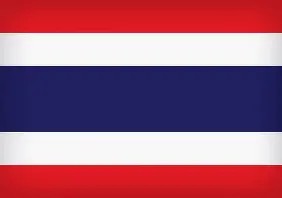 Thailand: The Chopstick Exception
Many people assume “all Asian cultures use chopsticks,” but Thailand is a powerful exception. Most everyday Thai meals do not involve chopsticks at all.
In Thailand, the primary utensils are:
- Spoon – ช้อน (chón): the main eating tool.
- Fork – ส้อม (sôm): used mainly to push food onto the spoon, not to eat from directly.
Rice dishes, curries, stir-fries, and most everyday meals are eaten with this spoon–fork combo — not with chopsticks. Chopsticks in Thailand are typically reserved for:
- Noodle soups and Chinese-influenced noodle dishes.
- Meals within the Thai–Chinese community.
Even then, the chopsticks used are Chinese-style — kuàizi (筷子) — longer, with blunt ends, rather than a uniquely Thai design. So your experience at a Thai restaurant where no chopsticks were provided wasn’t a mistake; it was culturally accurate.
Thailand serves as an important reminder that “Asia” is not one culture — and small assumptions about dining customs can quietly undermine understanding in global interactions.
Chopstick Etiquette: Small Actions, Strong Signals
Chopstick etiquette is not just about manners. It’s a visible expression of values like harmony, self-control, and awareness of others. Missteps may not always offend, but they can send signals about how attentive — or inattentive — someone is to the culture they’re in.
- Never stick chopsticks upright in a bowl of rice. This resembles incense used at funerals and is considered highly inauspicious.
- Avoid passing food chopstick-to-chopstick. In Japan, this mirrors a funeral ritual involving bones.
- Don’t use chopsticks to point, gesture, or wave. It can come across as aggressive, casual, or disrespectful.
- Do not “dig” through a shared dish. Searching for the “best” piece can appear self-focused.
- Avoid hovering indecisively over dishes. Lingering over shared plates can create discomfort and suggest a lack of consideration.
When someone navigates these details with ease, it often communicates something deeper: “This person understands how we do things. They’ve taken the time to learn.” That awareness builds trust.
In many parts of Asia, the dining table often functions as an extension of the meeting room. How someone navigates small moments — including the use of chopsticks — can subtly influence impressions of respect, awareness, and cultural attentiveness. These gestures don't need to be perfect, but they do signal whether a person understands the rhythms and expectations of building trust across cultures.
Final Reflection: Chopsticks as a Cultural Lens
Chopsticks began as simple tools for reaching into a pot. Over time, they became symbols of identity, community, and cultural pride. Their shapes, materials, and etiquette reflect centuries of history and the distinct values of each culture that adopted them.
For anyone working across Asia — or simply curious about culture — understanding the story behind chopsticks is a reminder that small actions can carry big meaning. It’s a practical example of cultural intelligence in everyday life.
Interested in more stories like this? Explore our Cultural Insights and Culture of Food features to see how everyday traditions — from sushi to chopsticks — shape connection, trust, and business across borders.
HOME | SERVICES | CULTURAL INTELLIGENCE | EXPLORE CULTURES | INSIGHTS | ABOUT | CONTACT
Email Us | www.culturalsavvy.com | ©1999–2025 Cultural Savvy. All Rights Reserved. Terms of Use